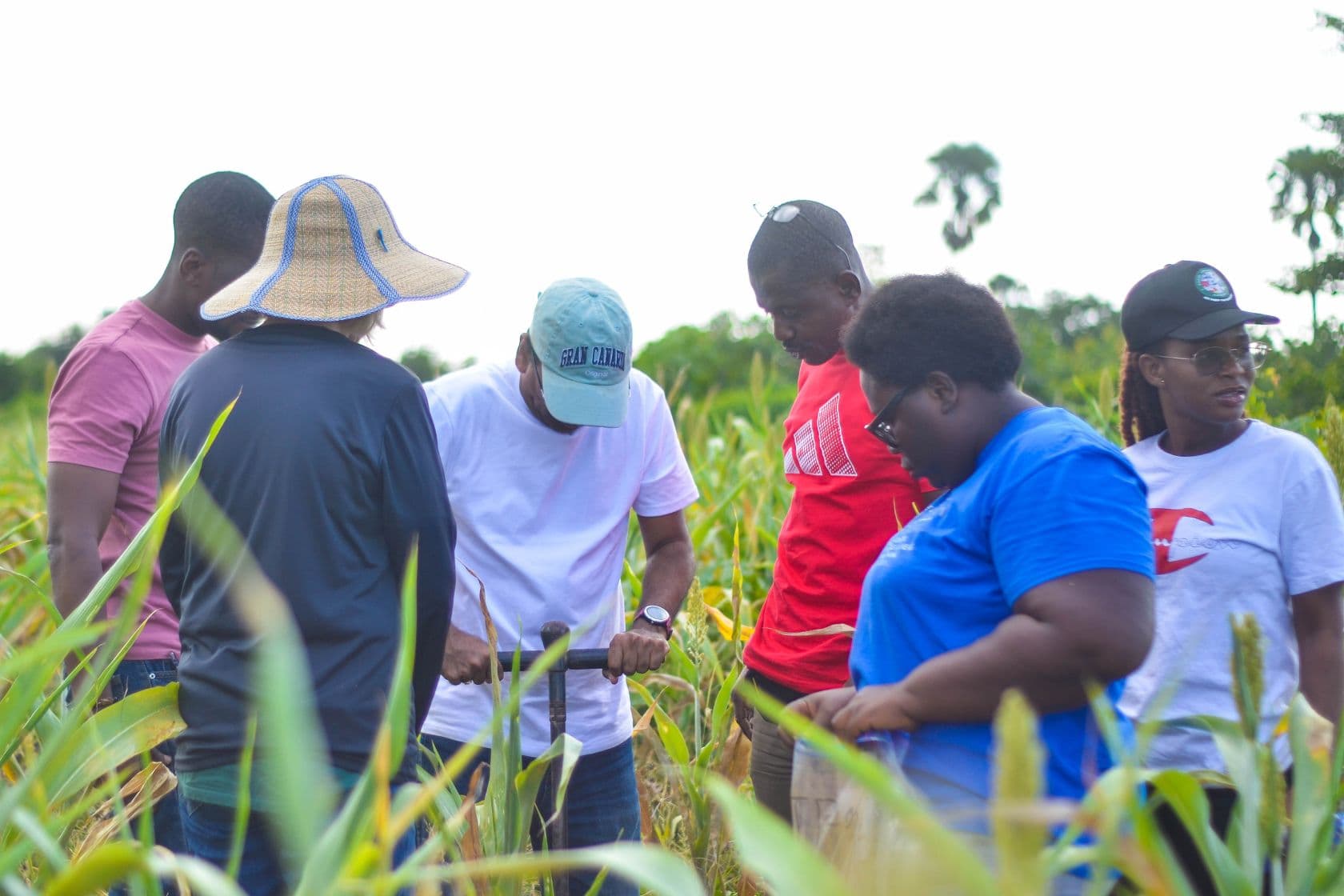
CarbonXtras Deploys Real-Time MRV System to Advance Climate-Smart Agriculture
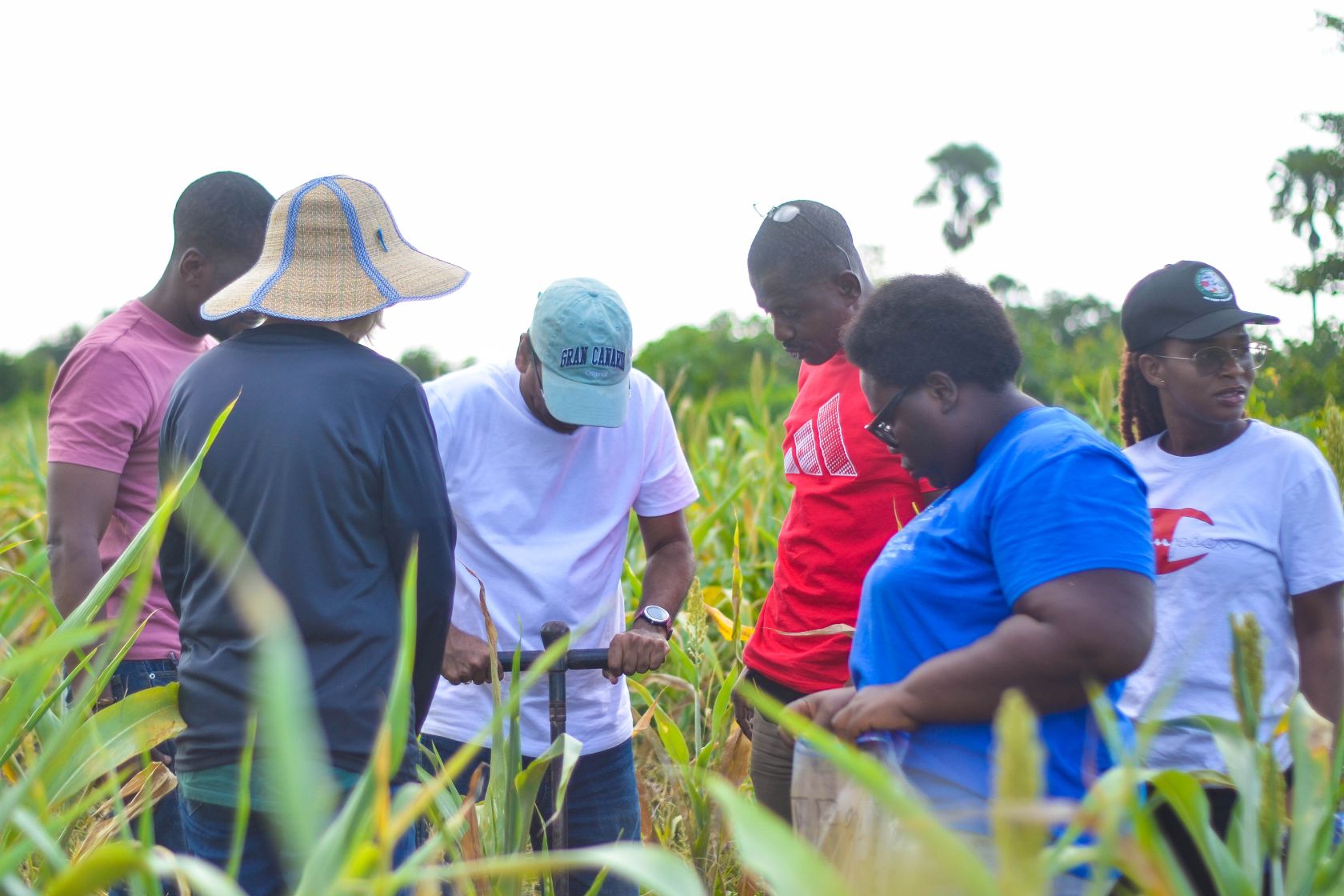
The CarbonXtras Project is advancing climate-smart agriculture across Ghana and Africa through the development of a dynamic, real-time Monitoring, Reporting and Verification (MRV) system. The initiative is designed to equip farmers, policymakers, and researchers with reliable data on soil health, greenhouse gas emissions, and carbon sequestration to support informed decision-making.
By combining advanced sensor technologies with local farming knowledge, CarbonXtras enables evidence-based adoption of regenerative practices, sustainable land management, and carbon-credit readiness. Ongoing field activities include soil sampling, historic data collection, and social surveys aimed at understanding local farming systems and climate-related challenges.
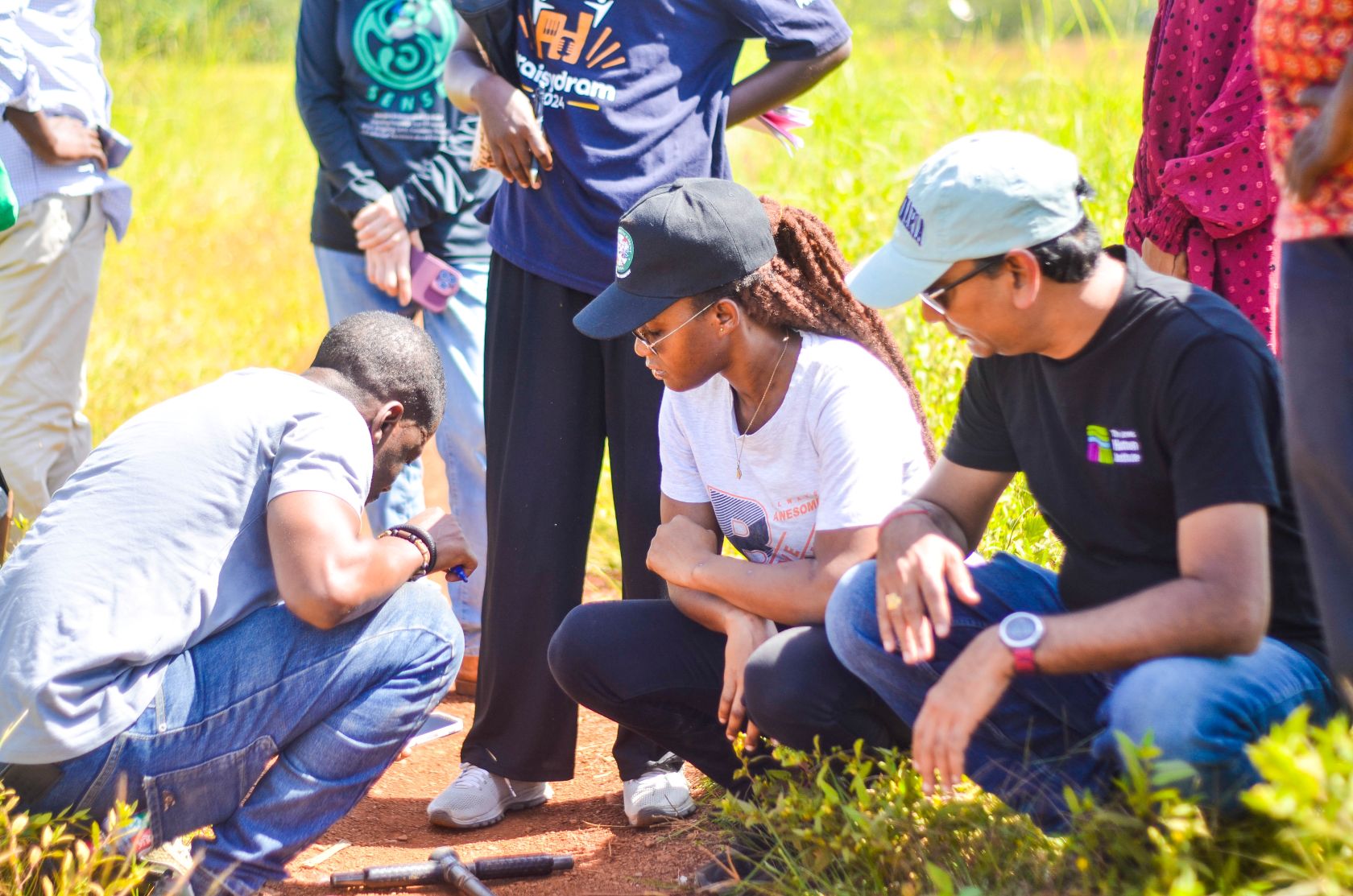
Fieldwork has commenced in Tolon (Tamale) and will extend to Navrongo, Kintampo, and Kumasi, generating baseline data on soil quality while supporting near–real-time monitoring of carbon storage and emissions. These efforts are expected to inform interventions that improve crop productivity and strengthen farmer participation in emerging carbon markets.
“Collecting field-level data allows us to better understand greenhouse gas emissions and support management practices that are truly climate-smart,” noted Dr. Jagadeesh Yeluripati, Lead Principal Investigator.
Farmers and extension officers are also being trained to use the CarbonXtras mobile MRV application (RETINA), enabling direct data input from smartphones and enhancing continuous monitoring.
The multi-country collaboration brings together partners from the James Hutton Institute (UK), CSIR–Crops Research Institute (Ghana), Embrapa (Brazil), and Sonavision (UK), with funding from the Innovate UK Climate-Smart Agriculture Partnership. The consortium also includes KNUST (DIPPER Lab and Department of Agroforestry), AINAS, MoFA, MEST, NCA, and several CSIR institutes, reflecting a broad alliance committed to climate-smart, regenerative agriculture.