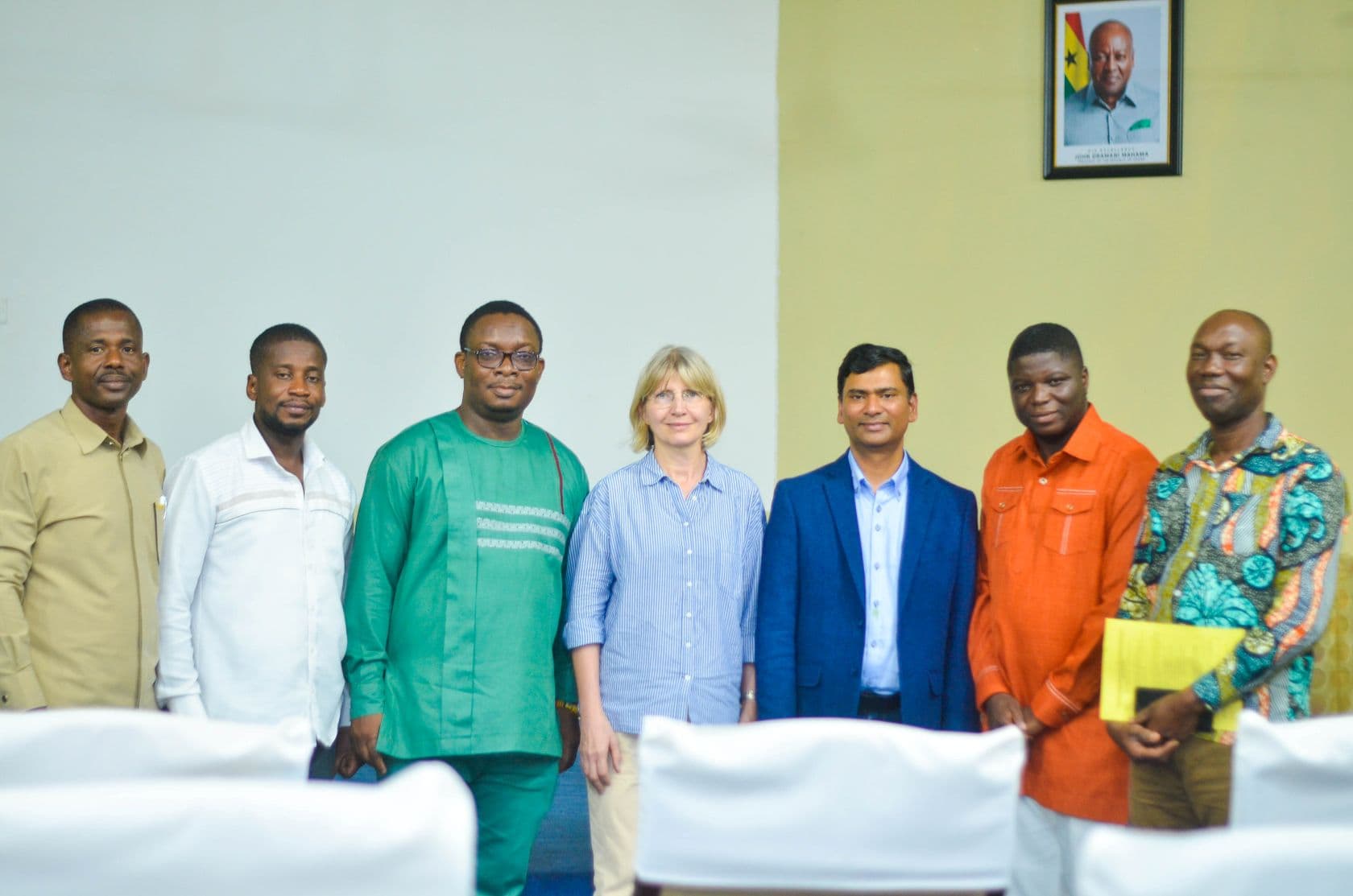
CarbonXtras Reaches Major Milestone with Nationwide Soil Baselines and MRV Stakeholder Workshop
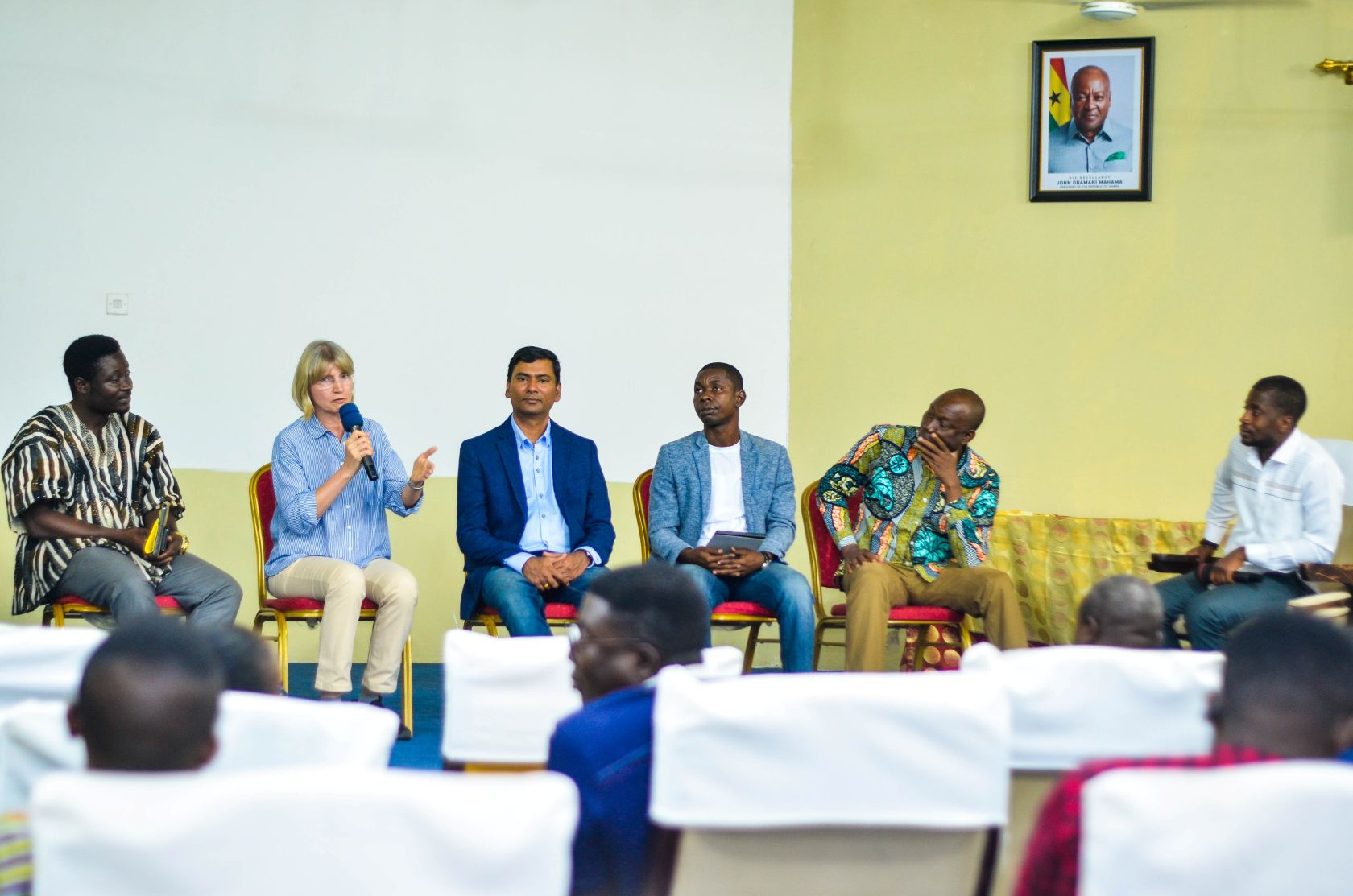
The CarbonXtras Project has marked a major step forward after completing nationwide baseline soil sampling and convening a high-level stakeholder workshop focused on real-time soil and carbon monitoring for climate-smart agriculture in Ghana. Together, these efforts signal Ghana’s growing capacity to measure, manage, and reward sustainable land-use practices.
At the core of the initiative is a Dynamic Real-Time Monitoring, Reporting and Verification (MRV) system designed to deliver instant insights into soil health, carbon fluxes, moisture dynamics, temperature, and greenhouse-gas emissions. For the first time, Ghana is deploying intelligent sensors capable of capturing how soils “breathe,” even in complex field conditions.
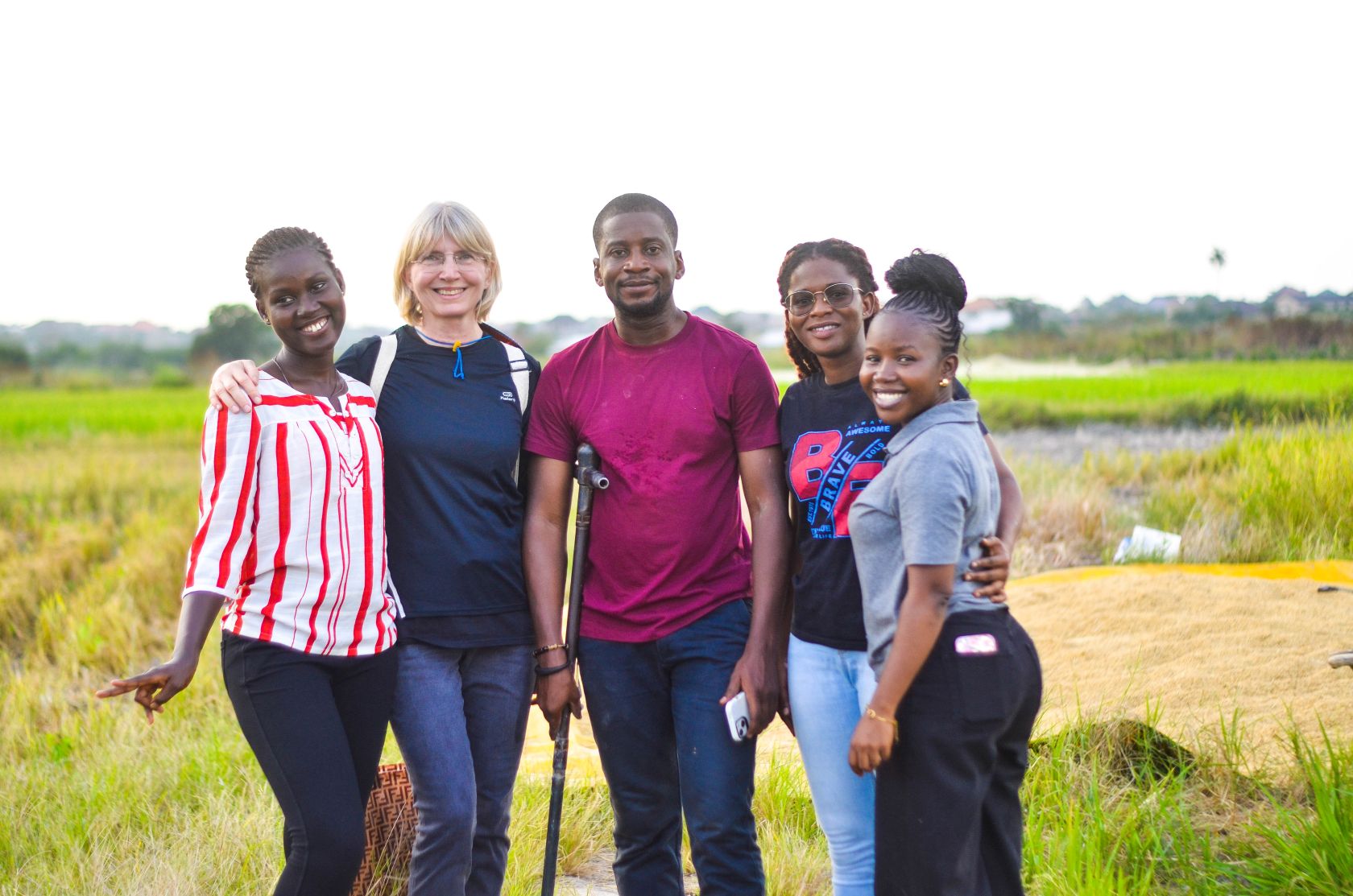
Before the workshop, the CarbonXtras team completed extensive field activities across Tolon (near Tamale), Navrongo, Kintampo, and Ejisu, engaging farmers, district agricultural officials, and extension officers. The team introduced the RETINA mobile application, enabling real-time field observations to be recorded directly by farmers and extension staff.
At the stakeholder workshop, Dr. Ernest Baafi, Deputy Director of CSIR–Crops Research Institute, highlighted the project’s transformative potential.
“By giving farmers real-time insights into soil health and climate pressures, we are strengthening their ability to adapt and improve productivity.”
Lead Principal Investigator Dr. Jagadeesh Yeluripati reflected on consistent feedback from farmers encountered during field visits.
“Nearly every farmer spoke about declining yields linked to changing weather patterns. With real-time data, we can help guide interventions at the right moments.”
The importance of balancing productivity with ecosystem integrity was echoed by Dr. Beáta Emőke Madari of Embrapa.
“Biochar can significantly increase soil carbon, but carbon gains must always be aligned with biodiversity and ecosystem goals.”
From an African capacity-building perspective, Dr. Enoch Bessah, Director of Research and Development at AINAS, emphasized the strategic value of measurement.
“Without reliable data, our farmers cannot access carbon markets and our policymakers cannot forecast risks. CarbonXtras fills this critical gap.”
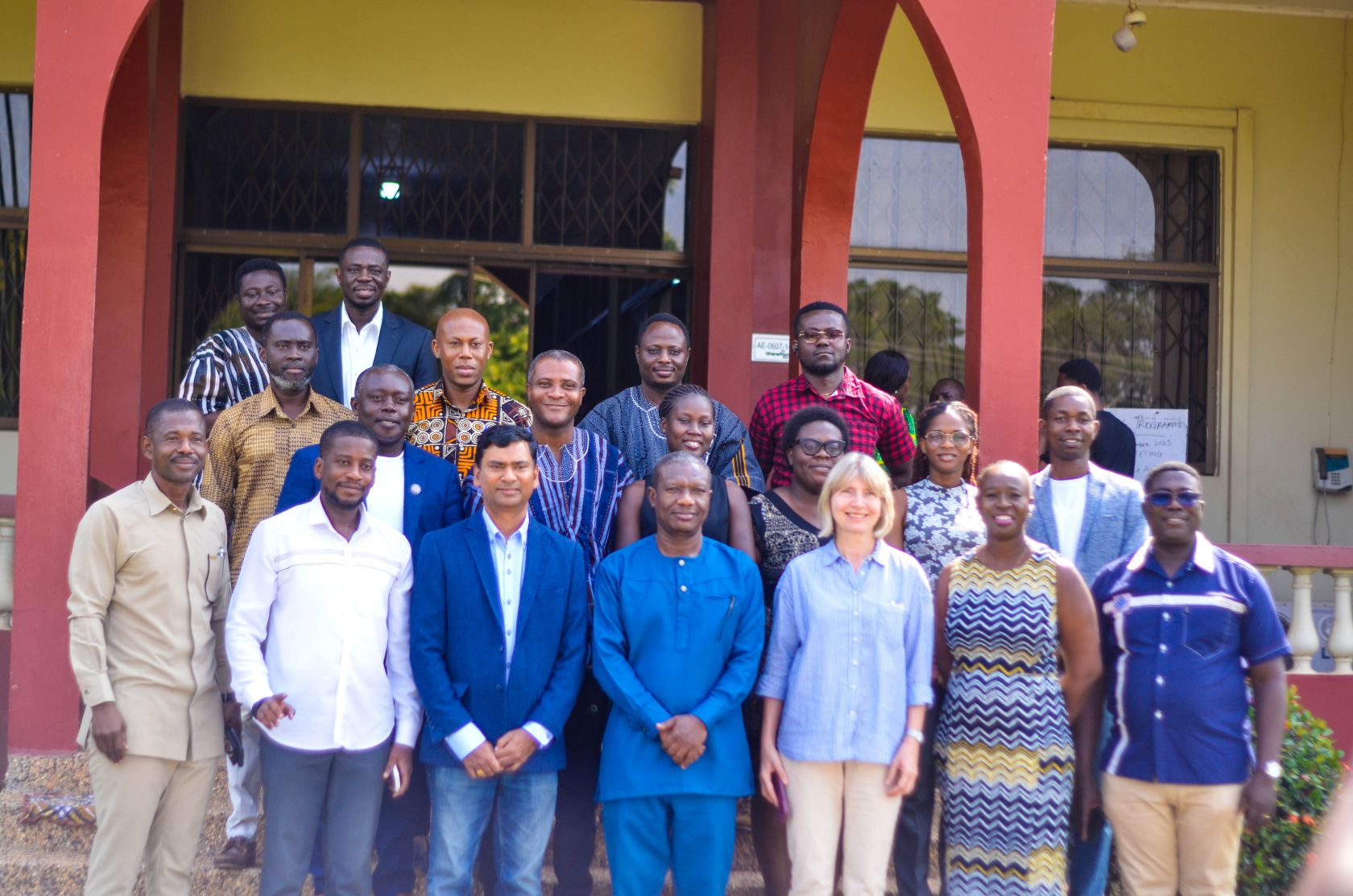
A high-level panel discussion led by Dr. Caleb Melenya Ocansey explored how the CarbonXtras MRV system could align with Ghana’s Nationally Determined Contributions (NDCs) and future carbon-market frameworks. He noted growing interest from institutions such as MoFA, MEST, and the NCA, all viewing CarbonXtras as scalable national infrastructure.
Prof. Eric Tutu Tchao, Scientific Director of DIPPER Lab, underscored the importance of secure long-term data storage, stressing that trusted digital infrastructure is essential for carbon accounting and farmer confidence.
With baseline sampling complete and strong institutional engagement established, CarbonXtras now enters a new phase focused on scaling real-time monitoring tools and deepening collaboration. Partners expressed confidence that the initiative will strengthen agricultural resilience, improve farmer outcomes, and position Ghana more strategically within emerging carbon economies.